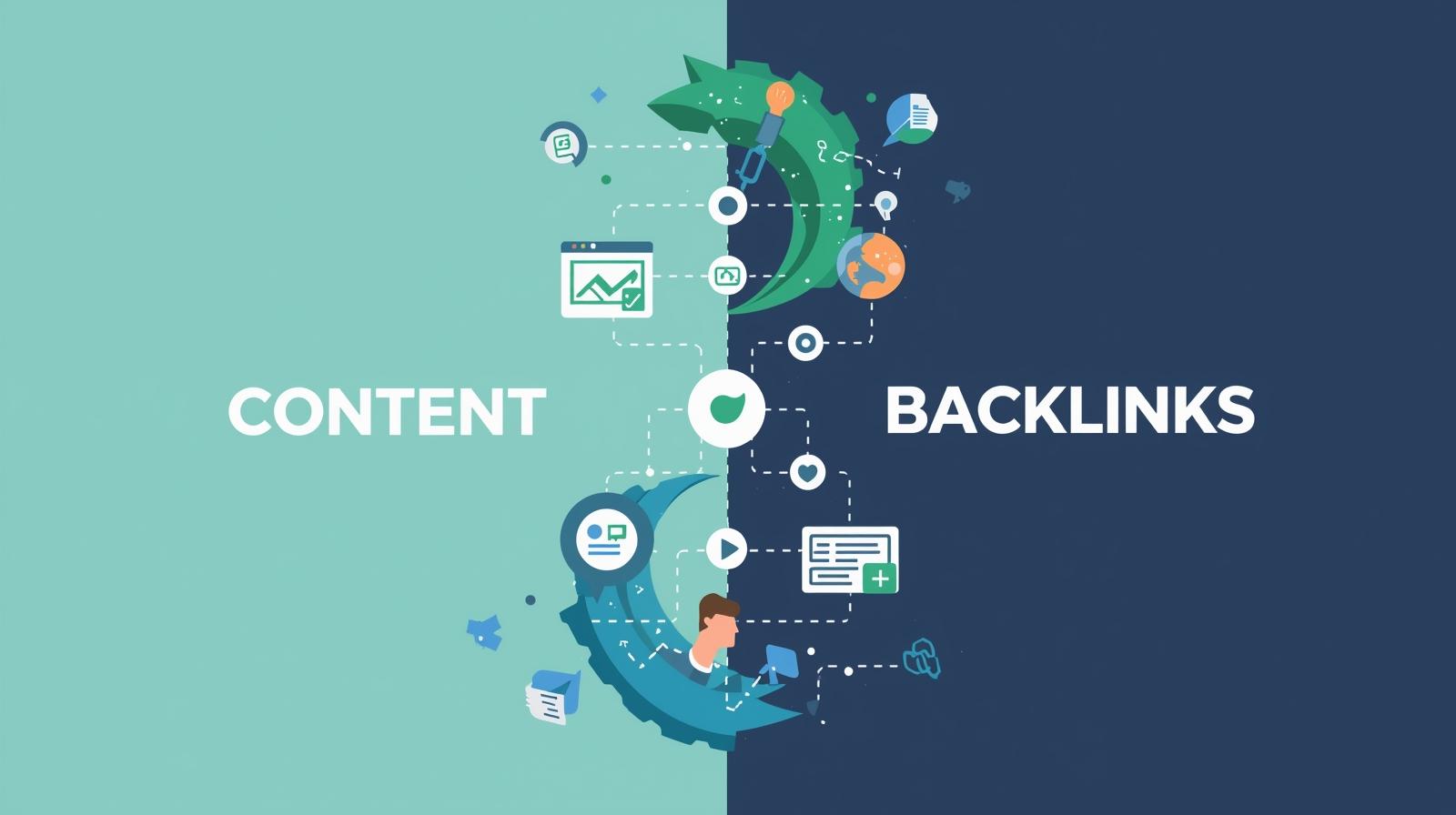
Powerful Backlink Strategies for SEO in 2025
Backlinks play a vital role in the fast-changing world of digital marketing. SEO (Search Engine Optimization) remains one of the most powerful tools for building visibility and trust online. Every business wants to appear on the first page of Google, but achieving that goal takes more than just great content — it requires a balanced mix of on-page and off-page SEO strategies.
If you’ve ever wondered how these two sides of SEO work together to push your website to the top of search results, this guide will walk you through everything — from keyword optimization and technical tweaks to building quality backlinks and authority.
What Is On-Page SEO?
On-page SEO refers to all the actions you take within your website to improve its visibility in search engines. Think of it as making your site easy to read and understand for both users and search engines.
Some common on-page SEO elements include:
-
High-quality content focused on relevant keywords
-
Optimized title tags and meta descriptions
-
Proper header tags (H1, H2, H3)
-
Internal linking structure
-
Image optimization (alt text, file size, naming)
-
Fast page speed and mobile responsiveness
Each of these factors helps Google understand what your content is about and whether it provides real value to users.
The Power of Content in On-Page SEO
You’ve probably heard the phrase “content is king,” and in the world of SEO, it’s still true.
Search engines reward websites that consistently publish valuable, original, and engaging content.
Here’s what makes content truly SEO-friendly:
-
Keyword placement: Include your main keyword naturally in the title, introduction, headers, and conclusion.
-
Content depth: Cover topics thoroughly. Google favors in-depth answers to user questions.
-
Readability: Use short paragraphs, bullet points, and conversational language.
-
Freshness: Regularly update content to stay relevant.
When you focus on helping users rather than just ranking, your content performs better automatically.
Understanding Off-Page SEO
While on-page SEO focuses on your own site, off-page SEO deals with actions taken outside your website to improve its reputation and authority. The most well-known off-page factor is backlink building — getting other trusted websites to link back to yours.
But off-page SEO is more than just backlinks. It includes:
-
Social media engagement
-
Brand mentions
-
Guest blogging
-
Influencer collaborations
-
Online reviews and citations
These signals tell Google that your website is trustworthy, popular, and authoritative — all critical elements for higher search rankings.
The Role of Backlinks
Backlinks are like “votes of confidence” from other websites. When a reputable site links to your content, search engines see it as proof that your content is valuable and credible.
However, not all backlinks are equal. A few high-quality backlinks from trusted domains are far more powerful than hundreds of low-quality links.
Tips for Earning Strong Backlinks
-
Create shareable content such as infographics, guides, or case studies.
-
Guest post on relevant, authority sites in your industry.
-
Reach out to influencers or bloggers for collaborations.
-
Fix broken links on other sites by suggesting your content as a replacement.
-
Build relationships in your niche — networking matters as much as content.
Building backlinks takes time, but the long-term SEO value is worth every effort.
On-Page vs Off-Page: Which Matters More?
The truth is, both on-page and off-page SEO are equally important — they complement each other.
Imagine on-page SEO as building a beautiful, functional house, and off-page SEO as your reputation in the neighborhood. You need both: a solid foundation and a good reputation to attract visitors.
Without strong on-page optimization, backlinks won’t perform well. And without off-page authority, even the best-optimized pages may struggle to rank.
Success lies in finding the right balance.
How to Combine On-Page and Off-Page SEO Effectively
-
Start with a solid on-page base.
-
Fix site speed, mobile usability, and structure.
-
Write high-quality, keyword-optimized content.
-
-
Optimize internal links.
-
Link related pages together using keyword-rich anchor text.
-
-
Promote your content.
-
Share it on social media, email lists, and online communities.
-
-
Build relationships for backlinks.
-
Connect with other creators and brands in your niche.
-
-
Track your results.
-
Use tools like Google Analytics and Google Search Console to monitor progress.
-
When you work on both fronts consistently, your site not only ranks higher but also builds lasting trust with your audience.
Technical SEO: The Hidden Partner
While not often discussed in the on-page vs. off-page debate, technical SEO plays a silent but crucial role.
It ensures that search engines can easily crawl and index your website.
Some essentials include:
-
SSL certificates (HTTPS)
-
XML sitemaps
-
Structured data (schema markup)
-
Core Web Vitals optimization
Think of technical SEO as the bridge connecting your content (on-page) with your credibility (off-page).
Conclusion
In the end, SEO success doesn’t come from just one strategy — it’s the combination of strong content, technical performance, and trustworthy backlinks that sets a website apart.
On-page SEO ensures your content speaks clearly to search engines and users, while off-page SEO builds authority and expands reach. Together, they create a system that fuels organic growth, drives more traffic, and boosts sales.
So, focus on creating content worth sharing, optimizing your site for both people and search engines, and building genuine relationships that turn into valuable backlinks.
That’s how you truly master on-page and off-page SEO for higher rankings in 2025 and beyond